Romania's Blind Community Puts SparkVision Glasses to the Test
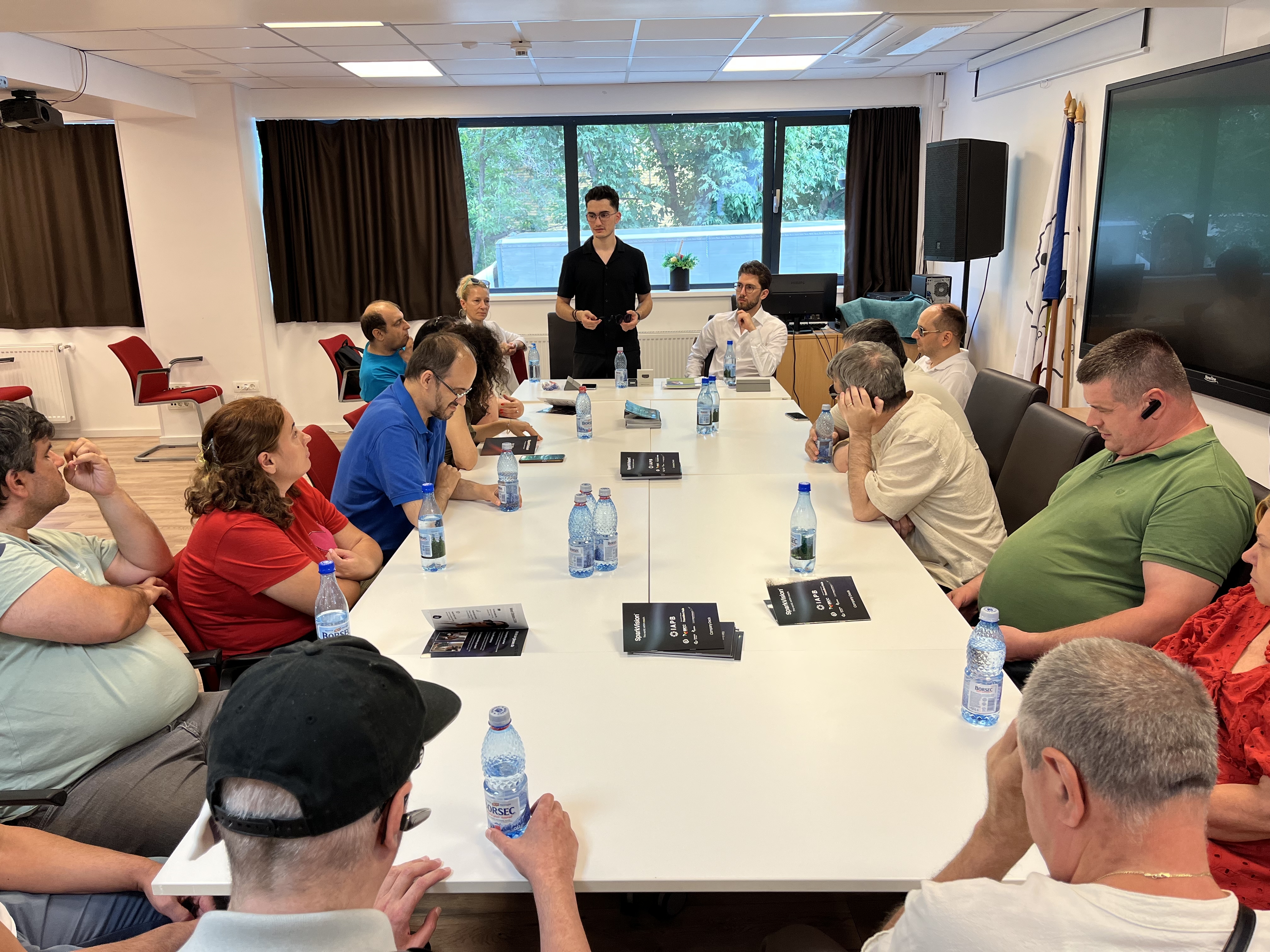
What happens when you hand AI smart glasses to the people who need them most - and see them in action? At the Romanian Association of the Blind, members put them to the test and discovered what the technology can really do.
- accessibility
- events
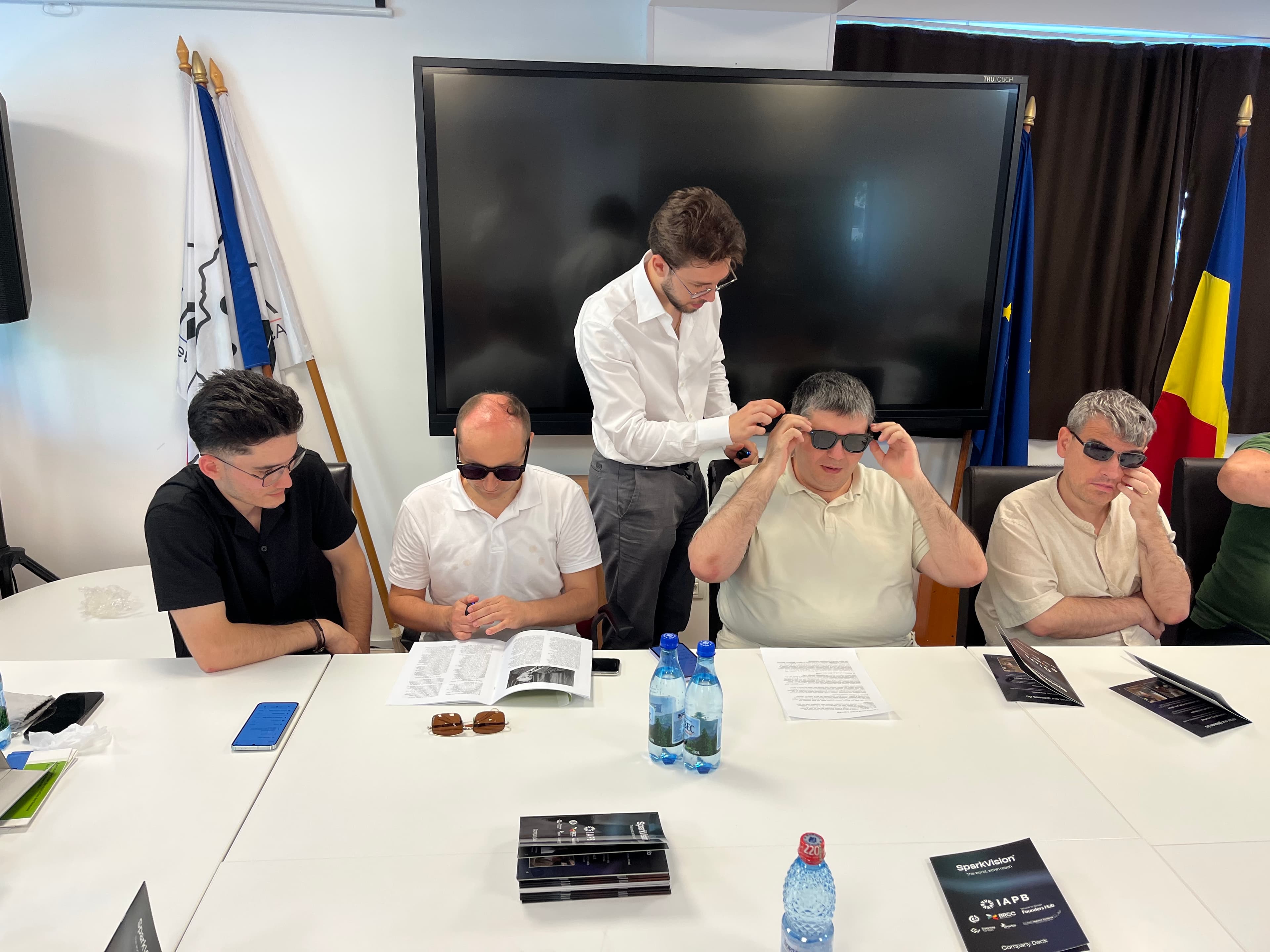
The best feedback rarely comes from a brochure. It comes from someone slipping the glasses on, turning toward a printed page, and waiting to hear whether the device actually delivers. That is exactly what happened when the Romanian Association of the Blind opened its doors for a hands-on look at the SparkVision Glasses 2 Ultra smart glasses.
A meeting built around testing, not talk
The gathering was brought together by the Association's Central Council alongside its Bucharest branch, as part of an effort the organization takes seriously: making sure its members hear about the tools that could genuinely change how they live, work, and move through the world with more independence.
So rather than a pitch, the day was structured around participation. Our team walked through what the glasses are and how they work, talked through the tasks they handle, and then stepped back to let people ask questions. After that came the part that matters most - everyone in the room had the chance to put the device on and try it themselves, with someone from our side close by to help.
A lightweight tool that reads the world aloud
At roughly 30 grams, the glasses are designed to be comfortable for everyday use. Behind that quiet design sits real-time AI vision, which is what lets the device translate what a camera sees into spoken information.
In practice, that meant attendees could lean on the glasses to:
- read printed text aloud;
- name colours;
- tell banknotes and product labels apart;
- describe the space around them.
First impressions and next steps
People liked the look of the product, found the menu easy to follow, and generally came away satisfied with the core features they tried: reading text, identifying colours, recognizing money and labels, describing surroundings, and locating objects.
The clearest message was about life outside - guided navigation, real-time information about public transport, and reliable warnings about obstacles on the way are features our team is still working on, so the glasses can fully meet the day-to-day needs of someone moving through a city.
Where we go from here
We're grateful to the Romanian Association of the Blind for hosting the day and, more than that, for the candor of everyone who tested the device. Honest critique from the people a product is built for is worth more than any review score. Our hope is that this first meeting is the start of a longer, working partnership - one measured by how much better the glasses become for the blind and low-vision community across Romania.